Remodeling an Older St. Louis Home Without Losing Its Character
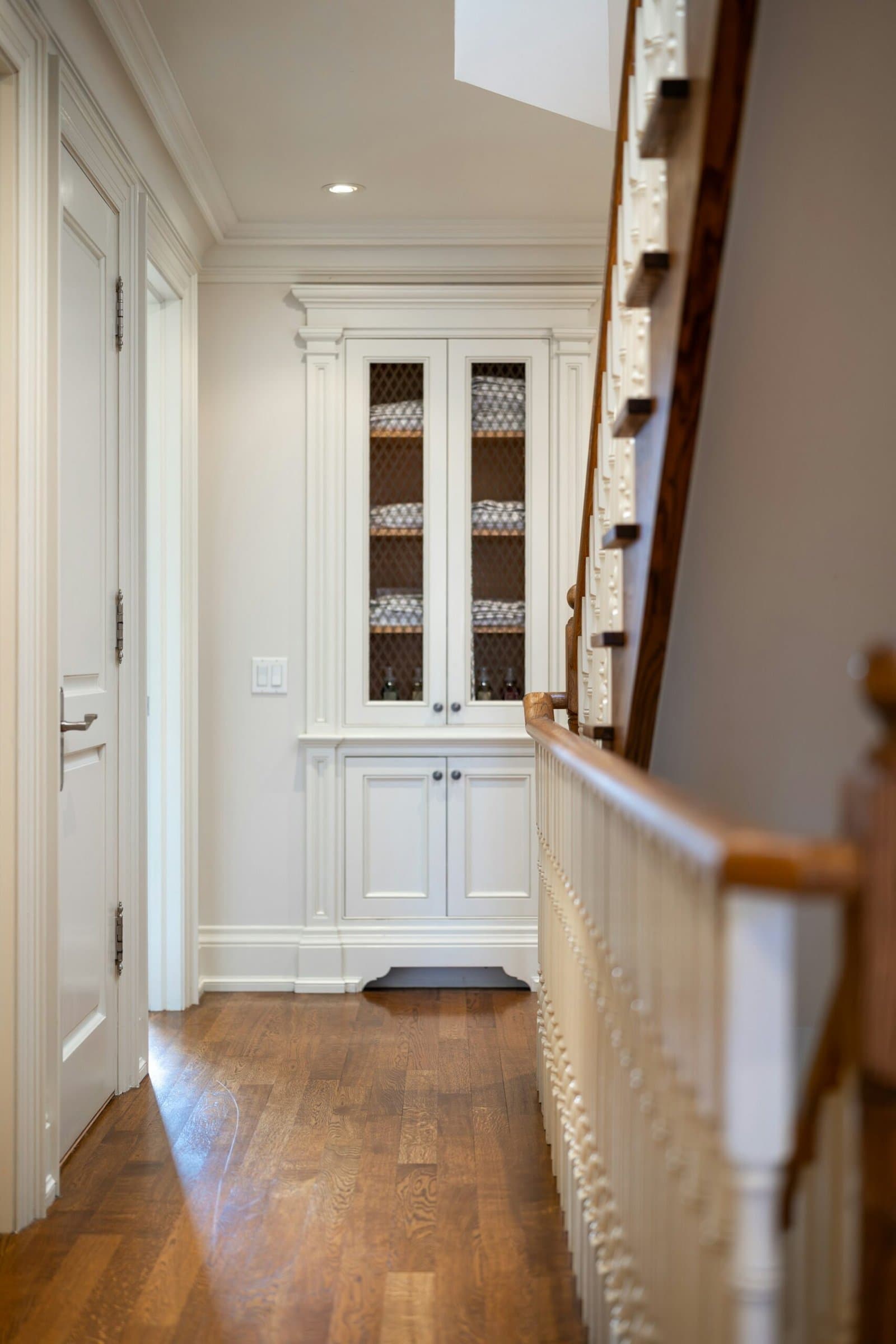
Older St. Louis homes have a feeling you cannot fake. These homes were built with details that give them personality, and that is exactly why so many homeowners love them.
But loving an older home and living in one comfortably are not always the same thing.
Maybe the kitchen is closed off or the layout just does not work for the way your family lives now. It could be time for the bathroom to have a serious update, or maybe the house has beautiful character all around, but years of repairs, patchwork, and quick fixes have made parts of it feel not up to your standards. That is where thoughtful remodeling really matters.
The goal is not to erase what makes the home special, but make the home work better while still protecting the details that made you fall in love with it in the first place.
Start With What Makes the Home Worth Preserving
Before making big remodeling decisions, it helps to slow down and look at the home as a whole. What details give it character?
In many older St. Louis homes, the charm is not just one big feature. It is a collection of smaller details that work together. Some answers we hear often:
- Original trim
- Interior doors
- Stair railings
- Hardwood floors
- Plaster details
- Brickwork
- Window casings
- The way rooms connect to each other
St. Louis has a long architectural history, and many neighborhoods include homes where different building styles and time periods sit side by side. The City of St. Louis describes its built environment as a kind of “bricks-and-mortar” record of the past, which is a good reminder that older homes are part of the larger character of the city.
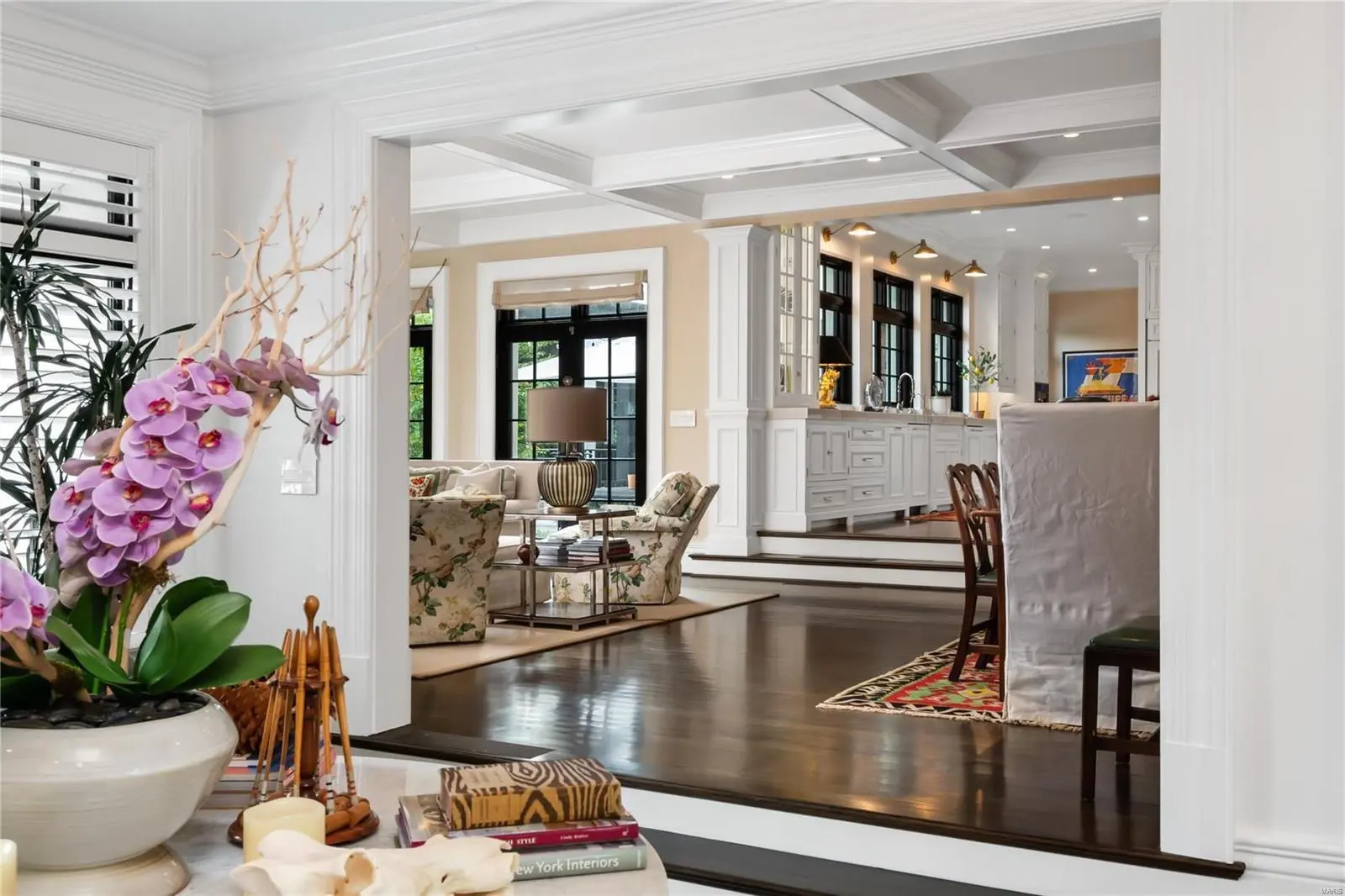
That does not mean every old feature has to stay exactly as it is. Some parts of an older home may need to be repaired, replaced, opened up, or completely reworked, but we believe that the best remodels start with respect for what is already there.
Modern Updates Should Feel Like They Belong
One of the biggest mistakes in older home remodeling is treating the new work like a separate piece of the house.
A new kitchen should not feel like it was dropped into the middle of an old home with no connection to the rest of the space or feel completely out of step with the home’s style.This is where custom craftsmanship makes a difference.
When the details are done well, the remodel feels natural. The transitions make sense. The materials feel intentional. The new work feels fresh, but not random.
This can include:
- Matching or complementing existing trim
- Choosing cabinetry that fits the scale of the home
- Using woodwork that feels connected to the original style
- Paying attention to door casings, baseboards, and crown molding
- Making flooring transitions feel clean
- Keeping the layout practical without stripping away character
These are the details people notice, even if they cannot always name them.

Be Careful With Open Floor Plans
A lot of homeowners want more open space, and that makes sense. Older homes were often built with more separated rooms, which can make kitchens, dining rooms, and living areas feel closed off by today’s standards.
But removing walls in an older home should be done carefully.
Sometimes opening up a space is the right move. Other times, a partial opening, widened doorway, pass-through, or better room-to-room flow can give the home more function without taking away its original feeling.
Older homes often have structural considerations that need to be reviewed before walls are removed. There may also be electrical, plumbing, HVAC, or plaster issues hiding behind the walls. A good remodeling plan looks at both the design and the structure before making changes.
Preserve the Woodwork When You Can
Woodwork is one of the biggest character features in many older homes.
Original trim, stair details, interior doors, window casings, and built-ins can add warmth that newer homes often try to recreate. If those pieces are still in good shape, preserving or repairing them can make a remodel feel much more connected to the home’s history. When woodwork is too damaged to save, custom carpentry can help recreate the right look.
Trim and finish carpentry are not afterthoughts. They are part of what makes the finished project feel complete.
Choose Materials That Make Sense With the Home
Older homes can handle updated materials: they do not need to feel frozen in time, but the materials should make sense.
A very modern finish can work beautifully in the right space, but it needs balance. The same goes for tile, cabinet profiles, hardware, lighting, flooring, and paint colors. The goal is to create a home that feels updated without feeling like every trend from the year of the remodel was forced into the design.
Timeless choices usually work better in older homes because they let the original architecture stay part of the story. That might mean warm wood tones, classic tile shapes, simple cabinet doors, quality hardware, or custom built-ins that feel like they could have always been there. It depends on the home, but the mindset is the same: choose materials that support the house instead of competing with it.
Do Not Ignore the Exterior
If your remodeling project includes an addition, exterior change, porch update, window work, or new entry feature, the outside of the home matters just as much as the inside.
Older St. Louis homes often have strong exterior character, especially when brick, rooflines, window placement, and proportions are involved. A new addition should not look like an obvious afterthought. It should feel connected to the original structure, which means paying attention to scale, materials, rooflines, siding, brick, trim, windows, and how the addition sits with the rest of the house.
Some St. Louis homes may also fall within local historic districts or preservation review areas. The City of St. Louis notes that exterior work in local historic districts may need review for compliance with district standards, and larger projects may require Preservation Board review.
If your home is in one of those areas, it is worth understanding the requirements early in the planning process.
The Right Contractor Makes a Big Difference
Remodeling an older home is not the same as updating a newer house.
- There are more details to consider.
- More surprises can come up.
- Measurements are not always perfectly square.
- Materials may need to be matched.
- Old repairs may need to be corrected.
- The finished work needs to blend with what is already there.
That is why craftsmanship matters.
At CTM Construction Services, we focus on remodeling and custom carpentry that feels intentional from start to finish. A good remodel should not make an older home feel like it lost its personality. It should make the home feel more comfortable, more useful, and more like itself.
Ready to Update Your Older St. Louis Home?
If you are thinking about remodeling an older home in the St. Louis area, CTM Construction Services can help you plan the project with care.
Whether you are updating a kitchen, refreshing a bathroom, adding custom carpentry, finishing a basement, or planning a larger remodel, our goal is to create work that feels well-built and right for your home.
Contact CTM Construction Services to schedule a consultation and start planning a remodel that keeps the character while making the space work better for the way you live.
Recent Posts
Questions to Ask Before Hiring a Remodeling Contractor in St. Louis
APRIL 29, 2026
Custom Cabinetry in St. Louis: Custom vs. Store-Bought
APRIL 28, 2026
Tenant Improvements: What Owners & Property Managers Should Know
MARCH 27, 2026
Design-Build Remodeling Process: What Happens
MARCH 25, 2026

ADA Remodeling for Businesses: Updates That Improve Accessibility
FEBRUARY 27, 2026
Newsletter
Don't miss a thing!
Sign up to receive daily news