Questions to Ask Before Hiring a Remodeling Contractor in St. Louis
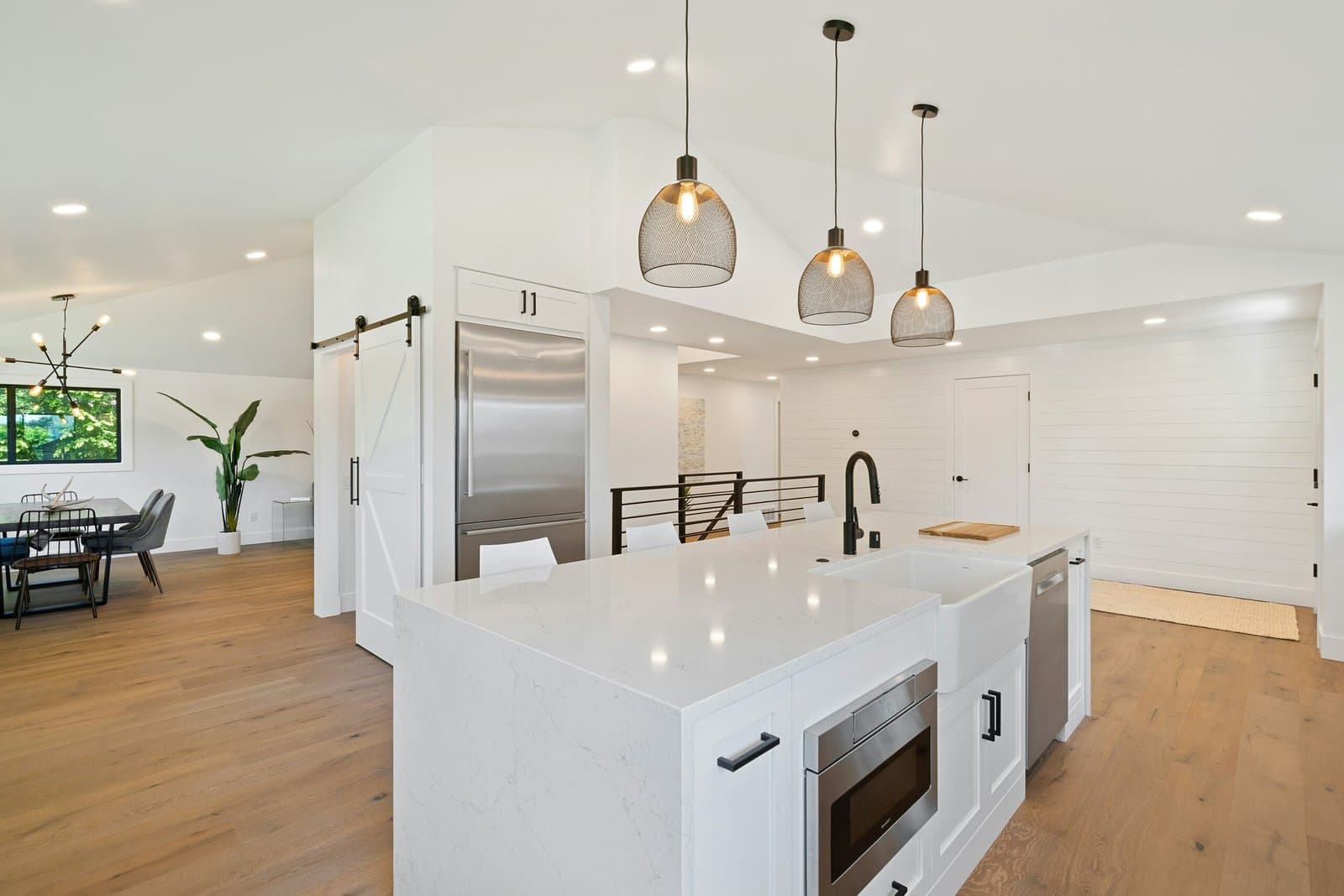
Whether you are updating your kitchen, remodeling a bathroom, or undertaking a whole-home renovation, the contractor you choose will directly affect the quality of the finished project and your overall experience. So take time when hiring a remodeling contractor.
A good remodeling contractor wears many hats throughout the construction process: they help you understand the process, plan around your goals, and breathe life into your vision. It is important to ask the right questions before you sign a contract so you know exactly who you are hiring and what to expect.
Before hiring a remodeling contractor, ask about their experience, licensing, insurance, process, project management, pricing, timeline, communication, change orders, and craftsmanship.
Table of Contents
– What Should You Ask Before Hiring a Residential Remodeling Contractor?
– What to Look for When Reviewing Contractor Estimates
– Final Thoughts
What Should You Ask Before Hiring a Residential Remodeling Contractor?
1. What types of remodeling projects do you specialize in?
Before hiring a contractor, ask about their experience with projects similar to yours. Not every contractor is the right fit for every project; some focus mainly on small repairs, while others specialize in larger renovations, custom carpentry, kitchens, bathrooms, or whole-home remodeling.
If you are planning a whole-home renovation, you need a team that understands how to manage multiple phases of work, coordinate different trades, and uphold uniformity from room to room. For kitchen and bathroom remodels, you want someone who understands layout, functionality, finishes, plumbing, and electrical needs, and the small details that make the space both beautiful and practical.
A qualified remodeling contractor should be able to explain their experience clearly and provide examples of past projects that relate to your goals.
2. Are you licensed and insured?
Insurance protects both you and the contractor if something unexpected happens during the project, making this one of the most important questions you can ask. A reputable residential remodeling contractor should carry the proper licensing and insurance required for the work they perform. Without proper coverage, homeowners may be exposed to unnecessary risk. Request proof of insurance and ensure the contractor is comfortable providing documentation.
This question may feel basic, but it helps separate professional contractors from less reliable options.
3. Can you give me a breakdown of your remodeling process?
Before hiring a contractor, ask what the experience will look like from the first consultation through project completion.
A strong contractor should be able to explain:
- How the initial consultation works
- How estimates are prepared
- How design decisions are handled
- How scheduling is managed
- Who will be on-site
- How communication will happen
- What happens if changes come up during the project
This is especially important for whole-home renovations because there are often more moving parts. You want to know that your contractor has a system in place, not just the ability to complete the work.
4. Who will be managing my project?
The person you meet during the estimate may not always be the person managing the day-to-day work.
You should know who your point of contact is for questions, who will coordinate the schedule, and who is responsible for quality control. Clear communication helps prevent confusion, delays, and frustration.
5. Can you show examples of similar work you’ve done?
Ask to see photos, project examples, and/or references from similar remodeling jobs so you can get a better sense of the contractor’s style, design range, and attention to detail.
When reviewing past projects, ask yourself: Does the work appear well planned? Are the spaces both functional and visually appealing?
For whole-home renovations, pay attention to how different rooms flow together and whether the finished work feels unified.
Ask to see examples of the custom features you are interested in including in your project, such as trim, flooring, millwork, cabinetry, and built-ins. The quality of these finishing touches can make a major difference in the final result.
6. How do you handle estimates and pricing?
Before hiring a contractor, ask how they structure their estimates and what factors can affect the final cost. A remodeling estimate should be detailed enough to help you understand what is included.
Some important follow-up questions include:
- What is included in the estimate?
- Are materials and labor both included?
- Are finish allowances included?
- What could cause the price to change?
- What is the process for handling change orders?
- When are payments due?
Be cautious of vague estimates or pricing that seems unusually low. A low initial price may not include important details, leading to unanticipated costs later.
A trustworthy contractor will be forthright about pricing and explain what is included before work begins.
7. What is the anticipated timeframe?
While timelines can vary depending on scope, materials, permits, and unexpected conditions, your contractor should still be able to give you a realistic expectation.
Ask how long your type of project typically takes and what could affect the schedule. For larger renovations, ask whether the project will be completed in phases and how that may affect your daily life/schedule.
A professional contractor will not simply promise the fastest timeline. Instead, they will give you a realistic schedule and communicate clearly if something changes.
8. How do you handle changes during the project?
Even with proper planning, changes can happen during a remodel. You may decide to upgrade a material, adjust a layout, or address an issue discovered after work begins.
Before hiring a contractor, ask how changes are documented and approved. A clear change order process protects everyone involved. It assures you understand any impact on costs or timelines before the work moves forward.
This is especially important for whole-home renovations, where one decision can affect multiple parts of the project.
9. How do you protect the home during construction?
Remodeling can be disruptive, but a good contractor should take steps to protect your home and reduce unnecessary mess. Ask how they handle dust control, floor protection, material storage, cleanup, and access to the home.
For projects where homeowners remain in the house during construction, this question is especially important. You want a contractor who respects your property and understands that your home is still your home, even while work is underway.
10. What details do you focus on to make the finished project feel complete?
The difference between an average remodel and a high-quality remodel often comes down to details. Trim, transitions, flooring, built-ins, paint lines, hardware, layout, and finish selections all affect the final result.
Ask your contractor how they approach craftsmanship and finishing details. This is a good opportunity to learn whether they are thinking beyond basic construction and considering how the finished space will look, feel, and function.
For homeowners investing in a whole-home renovation, this level of detail is important. The finished project should feel intentional, cohesive, and suited to your way of life
11. What should I do before the project starts?
A reliable remodeling contractor should help you prepare for the project. Depending on the scope, this may include clearing rooms, making finish selections, planning temporary living arrangements, or preparing for limited access to certain areas of the home.
Ask your contractor what you need to do before construction begins. The more prepared you are, the smoother the project will be.
What to Look for When Reviewing Contractor Estimates
When reviewing estimates from residential remodeling contractors, avoid comparing prices alone. A lower estimate may not include the same scope, materials, preparation, project management, or finish details as another contractor’s proposal.
Look for a clear breakdown of what is included, what is not included, and how changes will be handled if the project scope shifts. For larger renovations, the estimate should explain labor, materials, allowances, timelines, and any major assumptions.
A detailed estimate helps you understand the true value of the work, not just the starting price. It also gives you a better sense of how organized and transparent the contractor will be once the project begins.
12. Why should I choose your company?
Finally, ask the contractor what sets them apart. Their answers should tell you a lot.
Look for an answer that goes beyond price. A strong remodeling contractor should be able to explain their approach to communication, craftsmanship, project management, and customer approval.
For homeowners hiring a remodeling contractor, CTM offers experience in whole-home renovations, kitchens, bathrooms, custom built-ins, flooring, trim, and detailed interior upgrades. The team focuses on quality work, well-organized planning, and finished spaces that feel functional and refined.
Final Thoughts
Choosing a residential remodeling contractor should not be rushed. The right contractor will take time to understand your goals, explain the process, set clear expectations, and deliver work that improves your home’s appearance and functionality.
Before you hire, pose thoughtful questions about experience, licensing, process, pricing, timelines, communication, and craftsmanship. The answers will help you feel more confident and avoid surprises once the project begins.
Whether you are planning a whole-home renovation, updating a kitchen or bathroom, or adding custom details throughout your home, CTM can help bring your vision to life with care and professionalism.
Ready to start planning your remodel? Schedule a consultation or request an estimate with CTM today.
Recent Posts
Basement Conversion Ideas for St. Louis Homes
AUGUST 19, 2026

Woodwork Repair vs Replacement – What Makes Sense?
JULY 27, 2026
How Built-In Storage Can Make a Small Home Work Better
JULY 6, 2026

Sunroom Addition in St. Louis: What Homeowners Should Think About
JUNE 20, 2026
Remodeling an Older St. Louis Home Without Losing Its Character
JUNE 15, 2026
Newsletter
Don't miss a thing!
Sign up to receive daily news