Tenant Improvements: What Owners & Property Managers Should Know
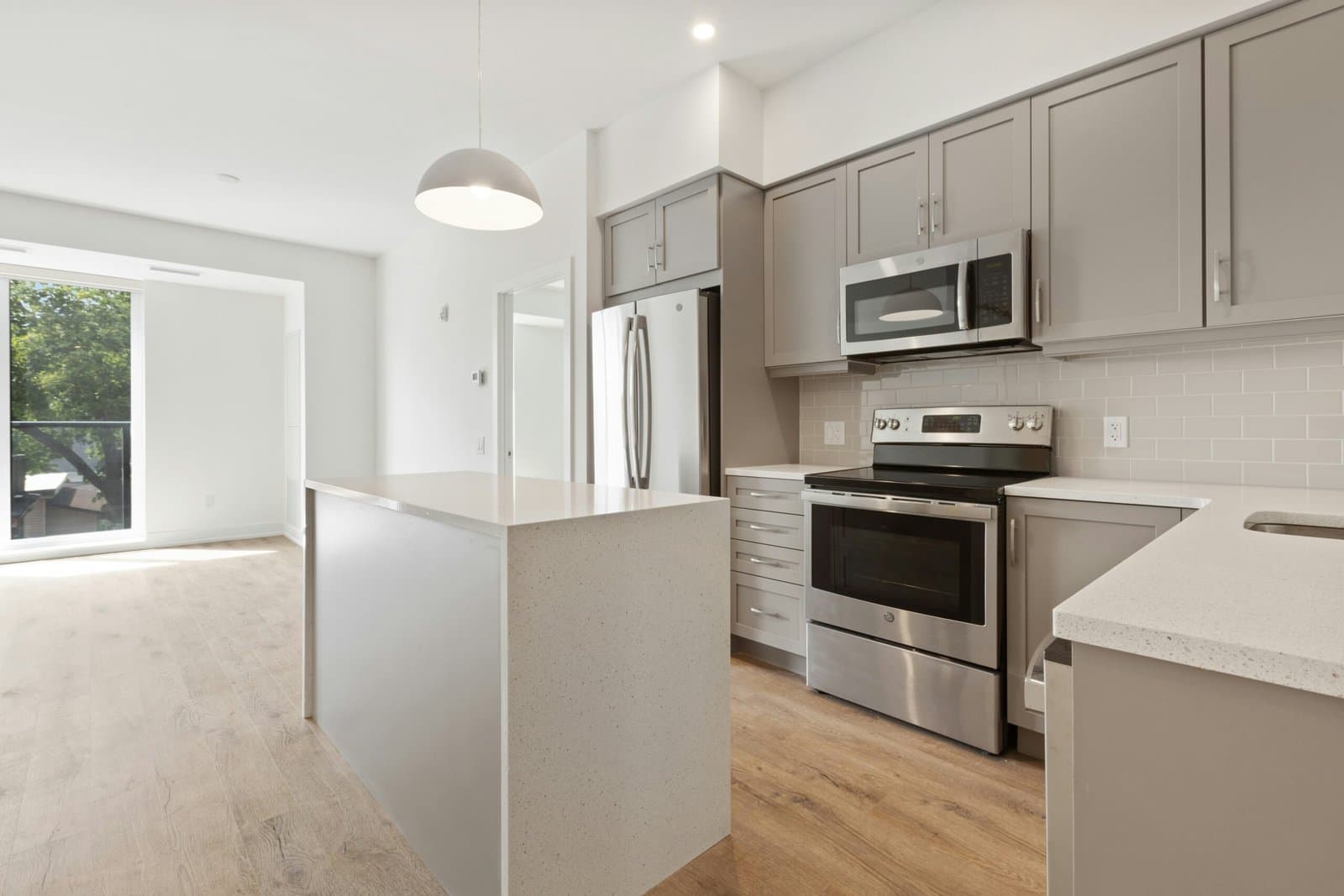
When leasing or upgrading a commercial space, one term comes up quickly: tenant improvements. Whether you’re a business owner preparing to move into a new location or a property manager working to attract and retain tenants, understanding how tenant improvements work is critical.
The right improvements don’t just make a space usable; they make it functional, efficient, and aligned with business goals. And when executed properly, they can increase property value, improve tenant satisfaction, and reduce long-term issues.
This guide breaks down what tenant improvements are, how the process works, and what both business owners and property managers should know before starting a project.
What Are Tenant Improvements?
Tenant improvements (TI), also called leasehold improvements, are modifications made to a commercial space to meet the specific needs of a tenant.
These changes can range from minor cosmetic updates to full interior build-outs.
Common tenant improvements include:
- Office build-outs (walls, offices, conference rooms)
- Retail space layouts and display areas
- Flooring, lighting, and ceiling updates
- HVAC, electrical, and plumbing modifications
- ADA accessibility upgrades
- Custom carpentry and millwork
- Reception areas and branding elements
Unlike base building construction, tenant improvements focus on customizing interior spaces so they function for a specific business.
Who Pays for Tenant Improvements?
One of the most important aspects of tenant improvements is understanding how they’re funded.
Typically, there are three common scenarios:
1. Tenant Improvement Allowance (TIA)
The landlord provides a set budget (per square foot) for improvements. The tenant uses this allowance to build out the space.
2. Tenant-Funded Improvements
The tenant pays for all improvements, often in exchange for lower rent or more lease flexibility.
3. Landlord-Funded Build-Out
In some cases, the landlord covers the cost of improvements, especially for long-term or high-value tenants.
Each arrangement depends on lease negotiations, market conditions, and the scope of the project.
Why Tenant Improvements Matter
Tenant improvements are not just about aesthetics; they directly impact how a space performs.
For Business Owners:
- Create a layout that supports workflow and productivity
- Improve customer experience
- Align the space with brand identity
- Ensure compliance with accessibility and safety standards
For Property Managers:
- Attract higher-quality tenants
- Increase lease value
- Reduce vacancy time
- Improve long-term property appeal
Well-planned improvements benefit both sides of the lease.
The Tenant Improvement Process
Understanding the process helps avoid delays, budget issues, and miscommunication.
1. Space Evaluation and Planning
Before any design work begins, the space is evaluated to understand:
- Existing layout and conditions
- Structural limitations
- Mechanical systems (HVAC, electrical, plumbing)
- Code and accessibility requirements
For older buildings, this step is especially important, as hidden issues can affect design and cost.
2. Design and Layout Development
Next, the layout is designed based on the tenant’s needs.
This includes:
- Office layouts or retail flow
- Workspace efficiency
- Customer movement and experience
- Storage and operational needs
For example:
- Offices may prioritize private rooms and collaboration spaces
- Retail stores focus on product visibility and customer flow
- Restaurants require efficient kitchen and seating layouts
A strong design balances function, compliance, and aesthetics.
3. Budgeting and Scope Alignment
Tenant improvement projects must align with budget expectations early.
This phase includes:
- Estimating construction costs
- Comparing scope vs. budget
- Adjusting materials or layout if needed
- Confirming what is included in the lease agreement
Clear budgeting upfront prevents costly changes later.
4. Permits and Approvals
Most tenant improvements require permits and must meet local building codes.
This may include:
- Structural approvals
- Electrical and plumbing permits
- ADA compliance checks
- Fire and safety regulations
Delays often occur at this stage if documentation is incomplete, so proper planning is essential.
5. Construction and Build-Out
Once approvals are in place, construction begins.
Depending on the project, this may involve:
- Demolition of existing structures
- Framing and layout changes
- Installation of systems (HVAC, electrical, plumbing)
- Flooring, ceilings, and finishes
- Custom carpentry and built-ins
Because tenant improvements often happen in occupied buildings, coordination and scheduling are key.
6. Final Walkthrough and Turnover
Before completion, the space is reviewed to ensure:
- Work meets design specifications
- Systems are functioning properly
- Code and accessibility requirements are satisfied
- The space is ready for occupancy
This final step ensures the tenant can begin operations without issues.
Common Challenges in Tenant Improvement Projects
Even well-planned projects can run into challenges if not managed properly.
1. Underestimating Scope
Small changes can lead to larger upgrades—especially when dealing with older systems.
2. Misaligned Expectations
If landlords, tenants, and contractors are not aligned early, it can cause delays and cost overruns.
3. Code and Compliance Issues
Failing to meet ADA or building codes can result in rework and added expenses.
4. Tight Timelines
Businesses often need to open quickly, which puts pressure on construction schedules.
How to Avoid Problems
Successful tenant improvement projects come down to planning and coordination.
Best practices include:
- Clearly defining the scope before construction
- Aligning the budget with the design early
- Working with experienced commercial contractors
- Communicating consistently between all parties
- Planning for potential upgrades in older buildings
These steps reduce risk and keep projects moving efficiently.
The Role of a Tenant Improvements Contractor
A tenant improvements contractor plays a central role in bringing the project together.
They are responsible for:
- Translating design into buildable plans
- Managing construction and subcontractors
- Ensuring code compliance
- Maintaining timelines and budgets
- Coordinating communication between stakeholders
Because tenant improvements involve multiple systems and requirements, experience matters.
Why Experience Makes a Difference
Tenant improvement projects often involve:
- Structural changes
- Complex layouts
- Custom carpentry
- Accessibility requirements
- Coordination between multiple trades
Working with an experienced contractor ensures these elements are handled correctly from the start.
Creating Spaces That Work for Business
At the end of the day, tenant improvements are about more than construction—they’re about creating spaces that support business success.
A well-executed build-out allows:
- Employees to work more efficiently
- Customers to navigate spaces comfortably
- Businesses to present a strong, professional image
For property managers, it means delivering spaces that meet tenant expectations and remain competitive in the market.
Ready to Start Your Tenant Improvement Project?
Whether you’re preparing a space for a new tenant or building out a location for your business, the right approach makes all the difference.
Schedule a consultation to discuss your tenant improvement project and create a space that works from day one.
Recent Posts
Sunroom Addition in St. Louis: What Homeowners Should Think About
JUNE 20, 2026
Remodeling an Older St. Louis Home Without Losing Its Character
JUNE 15, 2026
Questions to Ask Before Hiring a Remodeling Contractor in St. Louis
APRIL 29, 2026
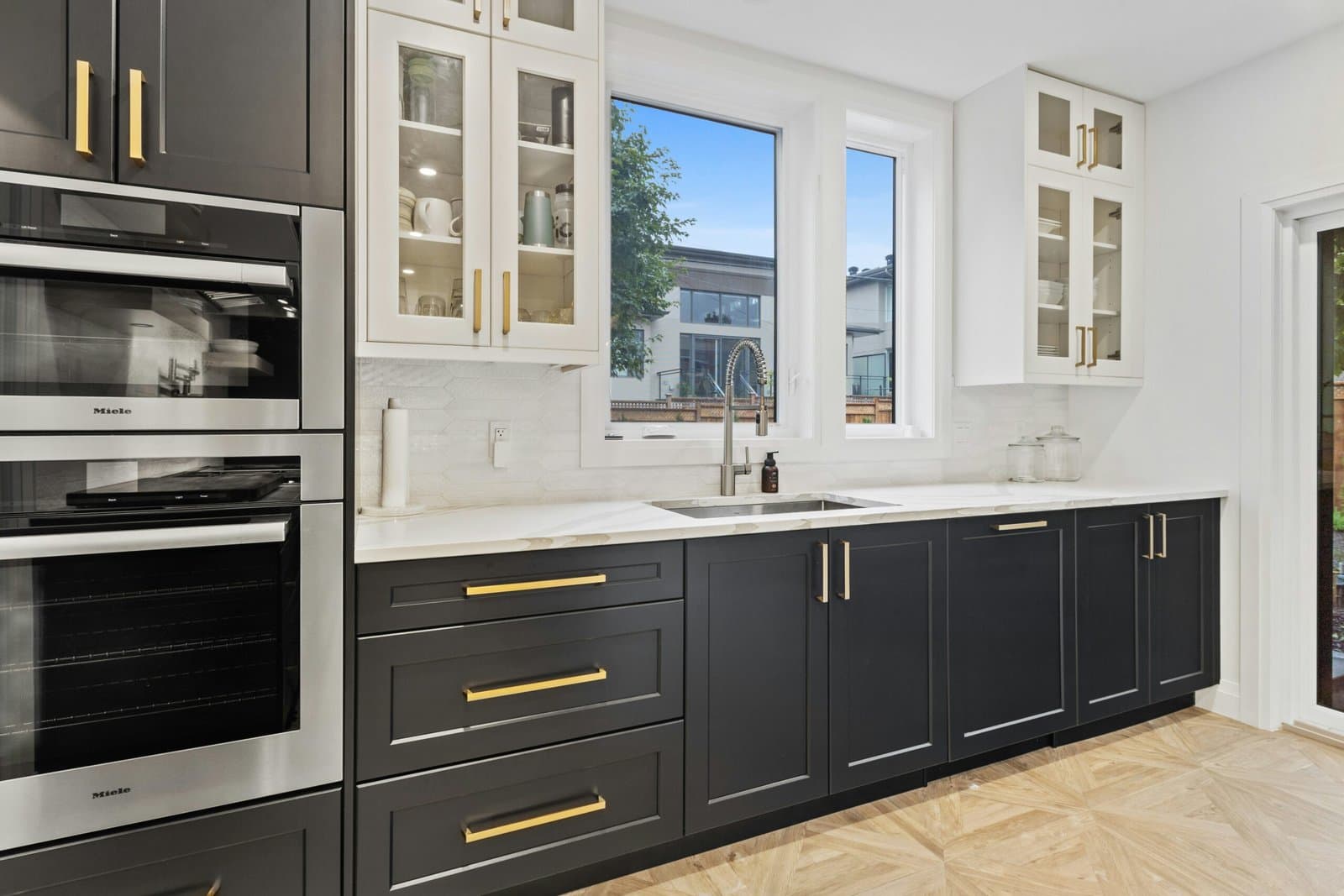
Custom Cabinetry in St. Louis: Custom vs. Store-Bought
APRIL 28, 2026

Design-Build Remodeling Process: What Happens
MARCH 25, 2026
Newsletter
Don't miss a thing!
Sign up to receive daily news