Custom Cabinetry in St. Louis: Custom vs. Store-Bought
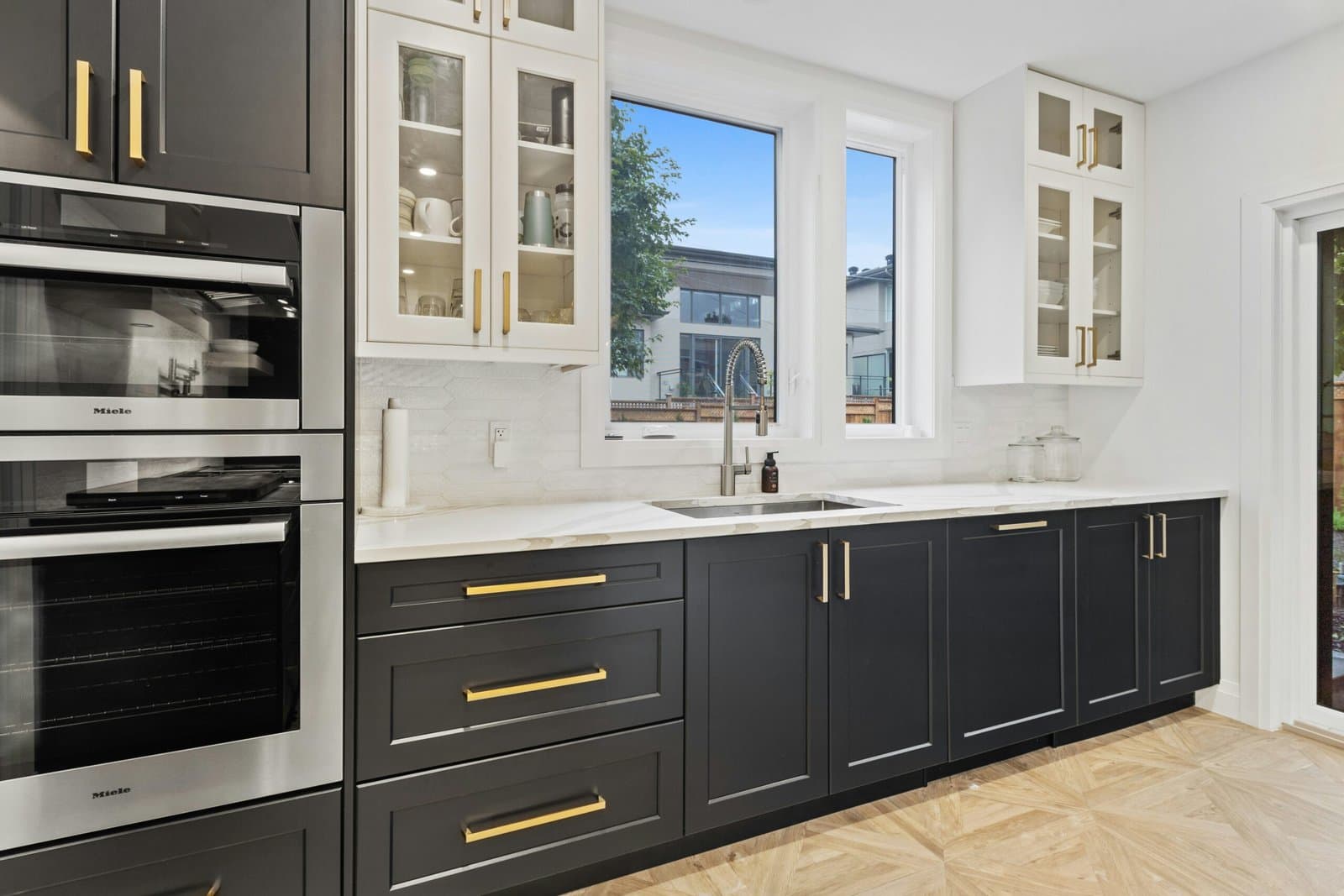
Whether you are planning a kitchen remodel, updating a bathroom, adding built-ins, or improving storage throughout your home, cabinetry plays a major role in how a space looks and functions. Store-bought cabinets can work well for some simple projects, but custom cabinetry offers more flexibility, a better fit, and a more tailored finished result.
In this guide, we’ll break down the key differences between custom cabinetry and store-bought cabinets, when each option may make sense, and what homeowners should consider before making a decision.
Quick Answer: What’s the Difference Between Custom Cabinetry and Store-Bought Cabinets?
Custom cabinetry is designed and built for your specific space, style, storage needs, and layout. Store-bought cabinets are pre-made or semi-standardized options that come in set sizes, finishes, and configurations.
Store-bought cabinets may be faster and simpler for basic projects, but custom cabinetry is often the better choice when you want a precise fit, higher-quality craftsmanship, unique design details, or cabinetry that blends seamlessly with the rest of your home.

Table of Contents
- Custom Cabinetry vs. Store-Bought Cabinets: What’s the Difference?
- What Are Store-Bought Cabinets?
- What Are Custom Cabinets?
- Custom Cabinetry vs. Store-Bought Cabinets
- How to Know Which Option Is Right for Your Home
- Custom Cabinetry in St. Louis
- FAQs About Custom Cabinetry
- The Bottom Line
Custom Cabinetry vs. Store-Bought Cabinets: What’s the Difference?
The main difference between custom cabinetry and store-bought cabinets is the level of personalization.
Store-bought cabinets are made in standard sizes and styles. They are designed to work in a wide range of homes, but they may not perfectly fit your space or match your exact vision. Custom cabinets, on the other hand, are built around your home’s dimensions, layout, and design goals.
For a kitchen remodel, this can make a major difference. Custom cabinetry lets you plan around appliances, ceiling height, storage needs, awkward corners, and how your household actually uses the kitchen. The same applies to bathrooms, laundry rooms, mudrooms, living rooms, home offices, and built-in storage areas.
If your project is simple and your space works well with standard cabinet sizes, store-bought cabinets may be enough. But if you want a more polished, functional, and personalized result, custom cabinetry is usually worth considering.
What Are Store-Bought Cabinets?
Store-bought cabinets are pre-made cabinet options available through home improvement stores, cabinet suppliers, or online retailers. They typically come in standard widths, heights, depths, colors, finishes, and door styles.
These cabinets can be useful for straightforward updates where the layout is simple, and the homeowner does not need many custom features. For example, a small laundry room or basic storage area may not require fully custom cabinetry.
The limitation is that store-bought cabinets are made to fit common layouts, not your specific home. That can lead to filler pieces, unused space, limited storage options, or a design that feels close but not quite right.
Store-bought options may also limit your choices for materials, finishes, hardware placement, interior organization, and specialty features.
What Are Custom Cabinets?
Custom cabinets are designed and built specifically for your home. Instead of choosing from fixed sizes and limited styles, you can create cabinetry that fits the exact dimensions, function, and appearance you want.
Custom cabinetry can be especially helpful for:
- Kitchen remodels
- Bathroom vanities
- Built-in bookshelves
- Entertainment centers
- Mudroom storage
- Laundry room cabinets
- Home office cabinetry
- Pantry storage
- Window seats
- Custom shelving
- Older homes with unique dimensions
One of the biggest advantages of custom cabinetry is that it can be designed around how you live. If you need deep drawers for pots and pans, hidden storage, built-in charging areas, appliance garages, pull-out shelving, or cabinetry that reaches the ceiling, those details can be planned into the project from the beginning.
Custom cabinetry also allows the finished work to feel more connected to the rest of the home, especially when trim, molding, woodwork, and finish details are carefully matched.
Custom Cabinetry vs. Store-Bought Cabinets
| Feature | Custom Cabinetry | Store-Bought Cabinets |
| Fit | Built for your exact space | Comes in standard sizes |
| Design flexibility | Highly flexible | Limited to available styles |
| Storage options | Can be tailored to your needs | Usually more basic |
| Finish choices | More customizable | Limited finish selections |
| Best for | Kitchens, built-ins, unique layouts,
long-term upgrades |
Simple updates or standard layouts |
| Overall look | More seamless and intentional | May require fillers or compromises |
How to Know Which Option Is Right for Your Home
The right choice depends on your goals, your space, and the level of flexibility you need.
Store-bought cabinets may be a good fit if your project is simple, your layout is standard, and you are comfortable choosing from available sizes and finishes. They can work well when you need basic storage and do not require a highly tailored design.
Custom cabinetry may be a better fit if you want the cabinets to look built into the home rather than added later. It is also a strong choice if you are remodeling a kitchen, updating a bathroom, adding built-ins, or making better use of an unusual space.
For many homeowners, the decision comes down to how important fit, function, and finish are. If cabinetry is going to be a major visual and functional part of the room, custom work can help create a more polished result.
Questions to Ask Before Choosing Custom Cabinetry
Before deciding between custom cabinetry and store-bought cabinets, ask yourself a few practical questions.
How will this space be used every day?
A kitchen needs to support cooking, storage, cleaning, entertaining, and daily routines. A mudroom may need space for shoes, coats, bags, and seasonal items. A bathroom vanity may need hidden storage, countertop space, and a layout that works for more than one person.
The more specific your needs are, the more valuable custom cabinetry becomes.
Do standard cabinet sizes work in the space?
Some homes have unusual layouts, older construction, uneven walls, or dimensions that do not work well with standard cabinet sizes. Custom cabinetry can help solve those issues without awkward gaps or unnecessary filler pieces.
Do you want the cabinetry to match existing details?
If your home already has specific trim, molding, wood tones, or architectural details, custom cabinetry can be designed to blend with those elements. This is especially helpful when adding built-ins or cabinetry to a room that already has a defined style.
Are you looking for long-term value?
Cabinetry is not something most homeowners want to replace often. If you are investing in a larger remodel, custom cabinets can help create a more durable, functional, and timeless result.
Custom Cabinetry in St. Louis
For homeowners in St. Louis, custom cabinetry can be especially useful in homes with unique layouts, older details, or spaces that need a more tailored approach. Kitchens, bathrooms, built-ins, and storage areas often benefit from cabinetry designed for the home rather than forced into a standard layout.
If you are comparing custom carpentry or cabinetry options in St. Louis, pay close attention to craftsmanship, communication, material options, and how well the contractor understands your goals. The best results come from careful planning and details that fit both the space and the way you use it.
CTM works with homeowners on custom carpentry and residential remodeling projects that are designed to feel functional, refined, and connected to the rest of the home. Whether you are planning kitchen cabinetry, built-ins, shelving, or storage upgrades, a thoughtful approach can make the finished project feel more intentional.
FAQs About Custom Cabinetry
Is custom cabinetry only for kitchens?
No. While kitchen cabinetry is one of the most common uses, custom cabinets can also be used in bathrooms, laundry rooms, mudrooms, home offices, living rooms, pantries, and built-in storage areas.
Are custom cabinets better than store-bought cabinets?
Custom cabinets are often better for homeowners who want a precise fit, personalized storage, higher design flexibility, and a more seamless finished look. Store-bought cabinets can still work well for simpler projects with standard layouts.
Can custom cabinetry match existing woodwork?
Yes. Custom cabinetry can often be designed to coordinate with existing trim, molding, finishes, and architectural details. This helps new cabinetry feel like it belongs in the home.
What should I ask before hiring a custom cabinetry contractor?
Ask about their experience, examples of similar work, material options, design process, timeline, communication, and how they handle details like measurements, finishes, hardware, and installation.
Are custom built-ins considered custom cabinetry?
Yes, many built-ins involve custom cabinetry or custom carpentry. Built-in bookshelves, entertainment centers, storage benches, mudroom lockers, and shelving units are all examples of custom work that can be designed for a specific space.
The Bottom Line
Custom cabinetry and store-bought cabinets can both have a place in home improvement projects, but they serve different needs. Store-bought cabinets are best for simple, standard spaces. Custom cabinetry is better suited for homeowners who want a precise fit, thoughtful storage, better design flexibility, and a finished result that feels connected to the home.
If you are planning a kitchen remodel, bathroom update, built-in feature, or storage upgrade, the right cabinetry can make the entire space more functional and polished.
Ready to explore custom cabinetry for your home? Schedule a consultation with CTM today.
Recent Posts
Woodwork Repair vs Replacement – What Makes Sense?
JULY 27, 2026
How Built-In Storage Can Make a Small Home Work Better
JULY 6, 2026
Sunroom Addition in St. Louis: What Homeowners Should Think About
JUNE 20, 2026
Remodeling an Older St. Louis Home Without Losing Its Character
JUNE 15, 2026
Questions to Ask Before Hiring a Remodeling Contractor in St. Louis
APRIL 29, 2026
Newsletter
Don't miss a thing!
Sign up to receive daily news