Woodwork Repair vs Replacement – What Makes Sense?
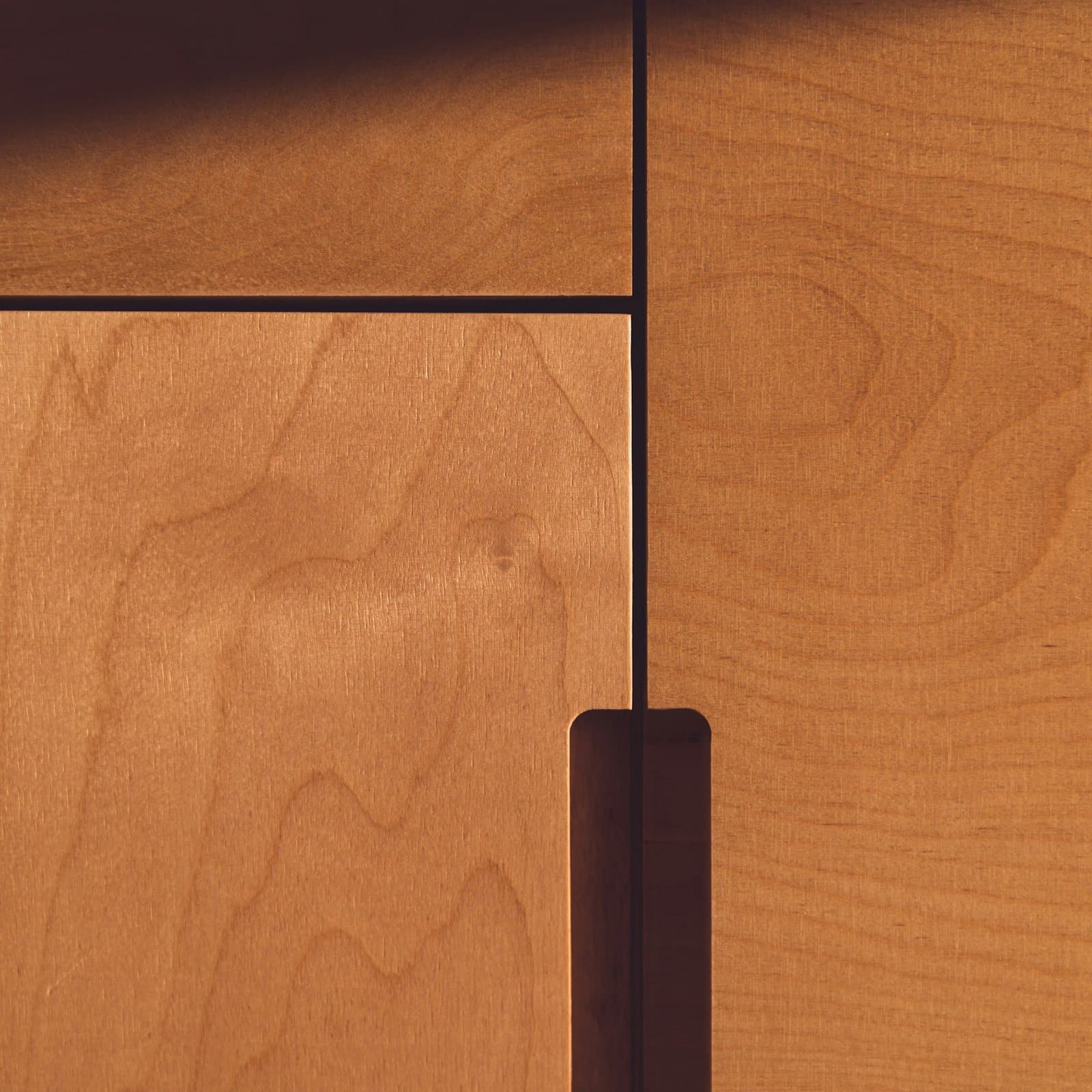
Woodwork repair vs replacement usually comes down to one question: how much sound material is left? If most of the wood is still solid and the damage is limited, repair is often worth the effort. Replacement makes more sense when rot, warping, loose joints, or earlier patchwork have affected the strength of the entire piece.
At CTM Construction, we evaluate the condition of the wood before recommending that anything be removed. Trim, doors, stairs, cabinets, and built-ins often contribute a great deal to the character of a home. Replacing them too quickly can leave the finished room feeling disconnected, while repeatedly repairing badly deteriorated wood often postpones work that still needs to be done.
In many homes, the best answer falls somewhere between complete repair and full replacement. Sound sections can stay while failed areas are carefully rebuilt to match. Understanding the extent and cause of the damage makes it easier to choose an approach that looks right and lasts.
Woodwork Repair vs Replacement Starts With the Condition
Paint failure, scratches, open joints, and small cracks can make woodwork look worse than it is. The first step is separating surface damage from deeper deterioration.
A carpenter may probe suspicious areas to see if the wood is firm beneath the finish. Loose joints are checked to learn if they can be cleaned and reglued or if the surrounding material has broken down. Doors and cabinet fronts are examined for twisting, sagging, and repeated binding. Exterior woodwork should also be inspected for the moisture source behind the damage.
The age of the wood isn’t the deciding factor. Old trim that has been protected from water may still be strong. Newer woodwork can fail quickly if it was installed against a wet surface or exposed to a recurring leak.
Look at the entire assembly rather than one visible spot. A soft corner on a windowsill may be a small repair. If the framing is damaged and water keeps entering, the problem is larger.
When Woodwork Is Usually Worth Repairing
Repair is often the better choice when the damaged area is contained and the piece still performs as it should. This is especially true for original millwork, uncommon molding profiles, solid wood doors, and built-ins that fit the room well.
Common repair candidates include:
- Dents, gouges, and worn edges that haven’t weakened the piece
- Small splits or open joints in otherwise solid wood
- Loose trim that can be secured without damaging the surrounding wall
- Limited rot near the end or bottom of a board
- Missing decorative sections that can be copied from an intact area
- Cabinet doors, drawers, or stair parts with repairable joint failure
A repair might involve removing damaged fibers, fitting a wood patch, reinforcing a joint, or recreating a missing profile. The point is to preserve useful material while restoring the piece’s shape and strength.
For older and character-rich homes, repair also keeps proportions and details that stock replacements rarely match. The National Park Service rehabilitation guidelines recommend retaining and repairing character-defining materials when they remain serviceable, with replacement reserved for deterioration that can’t reasonably be repaired.

When Replacement Makes More Sense
Replacement is usually the stronger long-term choice when deterioration is widespread or the piece is no longer stable. A repair needs solid material to attach to. If most of the board, frame, or joint has become soft, fractured, or distorted, patching one section won’t restore the whole assembly.
Full replacement may be appropriate when:
- Rot extends through most of the piece or into adjoining materials
- A door, railing, tread, or cabinet component is unsafe or repeatedly fails
- Severe warping keeps the woodwork from functioning properly
- Earlier repairs removed too much material or changed the shape beyond recovery
- The existing product is low quality and a careful repair would cost close to a better replacement
- Moisture or insect damage has affected hidden supports as well as the visible surface
Replacement can also make sense during a larger remodel when walls are moving and openings are changing. In that case, a complete matching trim package may create a cleaner result than piecing together several small repairs.
Repair and Replacement Aren’t Always Opposites
Homeowners are often presented with repair and replacement as two separate choices. Custom carpentry allows for a third option: selective replacement.
The lower section of a porch column may be deteriorated while the upper portion remains sound. A carpenter can splice in a properly shaped replacement. Window trim can be rebuilt one section at a time. A built-in cabinet may keep its original face frames and doors while receiving stronger interior parts.
This approach works well when a feature has visual or historic value but needs more than filler and paint. It also limits disturbance to plaster, flooring, tile, and adjacent finishes.
Selective work requires a good match. New wood should follow the original profile and sit correctly within the assembly. For stained work, species and grain matter. Painted repairs still depend on accurate shapes, clean joints, and careful preparation.
Compare the Full Cost, Not Just the First Estimate
Repair isn’t automatically cheaper. Detailed work can require careful removal, custom milling, hand fitting, and finish matching. Replacement has its own added costs, including demolition, disposal, wall repair, painting, and adjustments to nearby surfaces.
A useful estimate should cover the surrounding work, not just the damaged piece. Ask if it includes removal, protection of nearby finishes, profile matching, surface preparation, and the final paint or stain.
Longevity matters too. A low-cost patch isn’t a bargain if moisture is still entering behind it. New trim won’t last if it is installed over damaged framing or against masonry that stays wet. The cause of failure should be corrected before either repair or replacement begins.
Older St. Louis Homes Need a Closer Look
St. Louis has many homes with thick trim, solid doors, detailed staircases, and millwork profiles that aren’t commonly stocked today. Those features deserve a careful evaluation before demolition starts.
Older lumber often differs from modern stock in density, dimensions, and grain. A board with the same nominal size may not match. Original casing may be thicker, baseboard may use several profiles, and removal can damage nearby plaster.
There may also be layers of old paint to consider. The EPA’s guidance for renovation in pre-1978 homes explains why sanding, cutting, or removing painted woodwork requires lead-safe planning. Testing and appropriate containment need to be part of the work plan rather than an afterthought.
If you’re remodeling an older St. Louis home, decide which details give it character before removing anything. Original casing may be worth preserving even if less visible trim is replaced. The answer doesn’t have to be the same in every room.
What a Good Woodwork Evaluation Should Include
A reliable recommendation should explain why the wood failed, how much sound material remains, and what the finished repair or replacement will look like.
The evaluation should account for:
- The depth and location of damage
- Movement at joints or connections
- Moisture entry, condensation, or contact with masonry
- The condition of framing or substrate behind the visible wood
- The difficulty of matching the original profile and finish
- Safety and daily function
- The effect removal could have on nearby plaster, flooring, tile, or cabinetry
Photos and measurements are useful, but hands-on inspection often reveals the difference between peeling paint and serious deterioration. The carpenter should also explain the repair’s limits, including any patch likely to remain visible under a clear finish.
Choosing a Result That Fits the House
The best decision isn’t simply the one that saves the most original wood or installs the most new material. It is the option that leaves the feature sound, functional, and visually appropriate for the room.
Plain stock molding may look out of place beside substantial original casing. An exact reproduction may be unnecessary in a secondary space. Sound cabinets might need new doors or internal repairs rather than complete removal. Stairs and railings require a stricter safety standard than decorative trim.
CTM Construction Services LLC handles residential remodeling and custom carpentry services in the St. Louis area. We evaluate the condition of the existing work, identify what is worth keeping, and build matching replacement sections where repair alone isn’t enough.
To discuss damaged trim, doors, cabinets, stairs, built-ins, or other architectural woodwork, contact CTM Construction Services to schedule a consultation.
Recent Posts
How Built-In Storage Can Make a Small Home Work Better
JULY 6, 2026
Sunroom Addition in St. Louis: What Homeowners Should Think About
JUNE 20, 2026
Remodeling an Older St. Louis Home Without Losing Its Character
JUNE 15, 2026
Questions to Ask Before Hiring a Remodeling Contractor in St. Louis
APRIL 29, 2026
Custom Cabinetry in St. Louis: Custom vs. Store-Bought
APRIL 28, 2026
Newsletter
Don't miss a thing!
Sign up to receive daily news