Design-Build Remodeling vs. Traditional Contracting
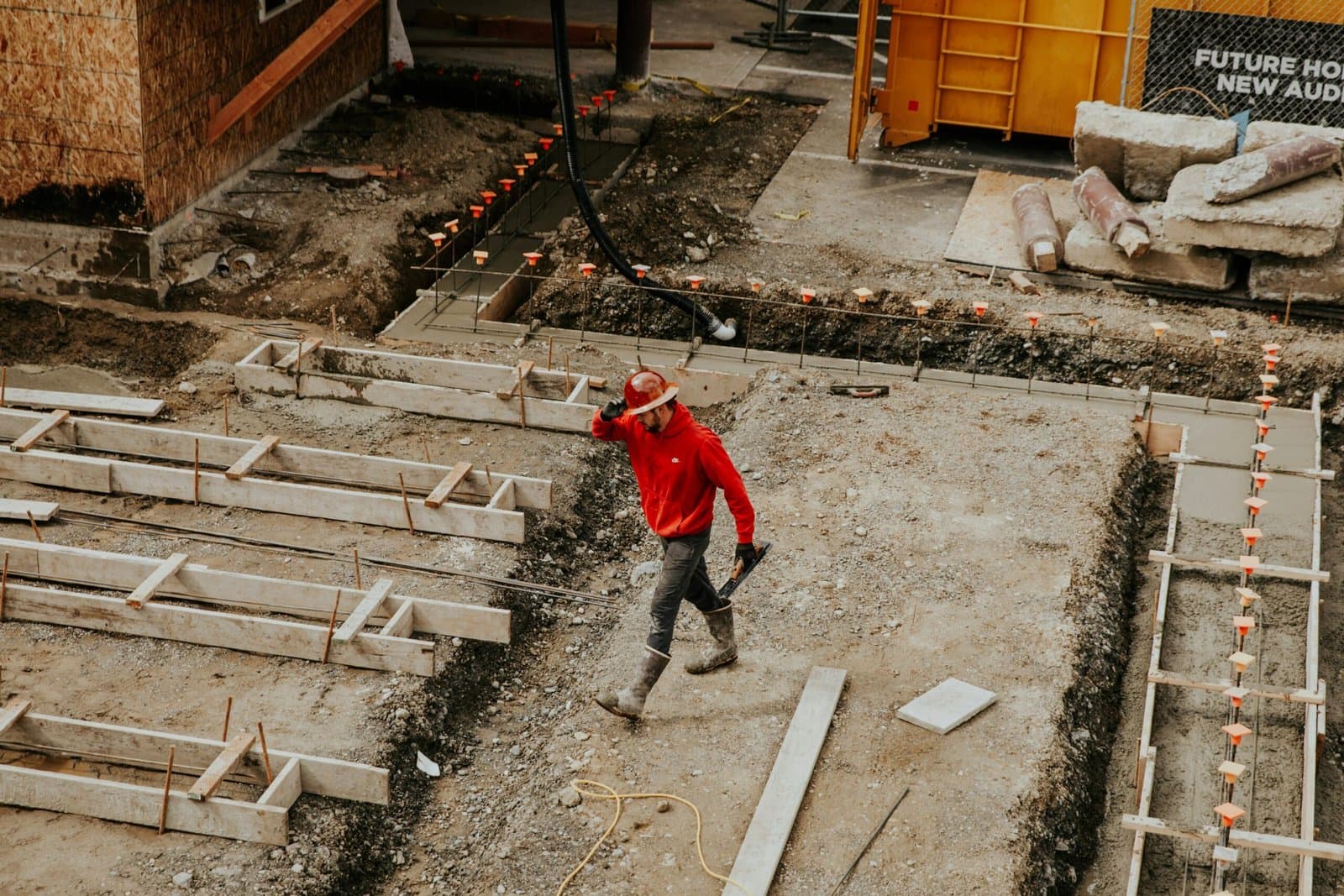
When planning a remodeling project, one of the most important decisions you’ll make happens before construction ever begins: how your project will be managed. Many homeowners and business owners find themselves choosing between design-build remodeling and traditional contracting, without fully understanding how different these approaches truly are.
Both methods can produce successful projects, but they operate very differently. Understanding those differences can save you time, money, and stress while helping you achieve better results.
This guide breaks down design-build remodeling versus traditional contracting so you can determine which approach is better for your project.
What Is Traditional Contracting?
Traditional contracting follows a linear process where design and construction are handled by separate parties.
Typical Traditional Workflow:
-
Hire an architect or designer
-
Complete plans and specifications
-
Solicit bids from contractors
-
Select a contractor
-
Begin construction
In this model, the designer works independently from the builder. Once construction begins, the contractor executes the plans exactly as designed.
Potential Advantages:
-
Familiar, widely used process
-
Allows independent designer selection
-
Works well for very simple or highly defined projects
Common Challenges:
-
Limited contractor input during design
-
Budget disconnects between design and construction
-
Change orders when plans don’t align with real-world conditions
-
Longer timelines
-
Increased responsibility placed on the owner to coordinate communication
What Is Design-Build Remodeling?
Design-build remodeling combines design and construction under one unified team. Instead of hiring separate professionals, you work with a single entity responsible for the entire project, from concept to completion.
Typical Design-Build Workflow:
-
Initial consultation and goal-setting
-
Conceptual design and budgeting together
-
Design refinement with real-time cost feedback
-
Construction planning and execution
-
Project completion
Design-build creates a collaborative environment where decisions are informed by both creative and construction expertise from the start.
Key Differences Between Design-Build and Traditional Contracting
1. Communication & Accountability
Traditional Contracting:
Communication flows through multiple parties. When issues arise, responsibility can become unclear.
Design-Build Remodeling:
One team, one point of accountability. Designers and builders work together, reducing miscommunication and finger-pointing.
Winner: Design-Build
2. Budget Control
Traditional Contracting:
Designs are often completed before accurate construction costs are known. This can lead to redesigns or unexpected expenses.
Design-Build Remodeling:
Budgeting happens alongside design. Costs are evaluated in real time, allowing adjustments before construction begins.
Winner: Design-Build
3. Timeline Efficiency
Traditional Contracting:
Sequential steps mean delays between design completion, bidding, and construction start.
Design-Build Remodeling:
Overlapping phases shorten timelines. Planning, design, and preparation happen concurrently.
Winner: Design-Build
4. Design Practicality
Traditional Contracting:
Designs may look great on paper but present challenges during construction.
Design-Build Remodeling:
Designs are informed by construction realities from day one, resulting in more practical, buildable solutions.
Winner: Design-Build
5. Flexibility During Construction
Traditional Contracting:
Changes often require formal change orders, added costs, and schedule adjustments.
Design-Build Remodeling:
Integrated teams can adapt quickly and efficiently, minimizing disruption.
Winner: Design-Build
Where Traditional Contracting May Make Sense
Traditional contracting can still be effective when:
-
The project scope is very simple
-
The design is already completed
-
The budget is fixed and inflexible
-
The owner prefers managing multiple professionals
-
Architectural separation is required for regulatory reasons
It’s not inherently wrong—it’s just less adaptable.
Why Design-Build Remodeling Is Often the Better Choice
Design-build remodeling is particularly effective for:
-
Kitchen and bathroom remodels
-
Whole-home renovations
-
Home additions
-
Commercial build-outs
-
Retail and office remodeling
-
Projects involving custom carpentry
The integrated approach allows craftsmanship, layout, materials, and structure to work together seamlessly.
The Role of Craftsmanship in Design-Build
One of the greatest advantages of design-build remodeling is how well it supports precision craftsmanship. Because carpentry, finishes, and structural elements are considered during design, not after, custom details are executed more accurately and efficiently.
This results in:
-
Cleaner installations
-
Better fit and finish
-
Fewer compromises
-
Stronger long-term durability
Design-Build Reduces Risk for Owners
With fewer handoffs and clearer accountability, design-build remodeling reduces common project risks such as:
-
Budget overruns
-
Schedule delays
-
Misaligned expectations
-
Redundant work
-
Incomplete scopes
For owners who want confidence and clarity, this model provides peace of mind.
Which Approach Is Right for You?
Ask yourself:
-
Do I want one team managing everything?
-
Is staying on budget a top priority?
-
Do I want faster timelines?
-
Will my project involve custom solutions?
-
Do I want expert input early in the process?
If you answered yes to most of these, design-build remodeling is likely the better fit.
While traditional contracting has its place, design-build remodeling offers a more efficient, collaborative, and cost-controlled approach for most modern projects. By aligning design and construction from the start, owners gain better outcomes with fewer surprises.
Ready to Explore the Design-Build Approach?
If you’re planning a remodel and want a streamlined process, clear communication, and expert guidance from start to finish, design-build remodeling may be the right solution.
Schedule a consultation to discuss your project goals and explore whether a design-build approach is right for you.
Recent Posts
Tenant Improvements: What Owners & Property Managers Should Know
MARCH 27, 2026
Design-Build Remodeling Process: What Happens
MARCH 25, 2026

ADA Remodeling for Businesses: Updates That Improve Accessibility
FEBRUARY 27, 2026
Built-In Shelving Ideas That Add Storage & Charm to Your Home
FEBRUARY 22, 2026
Quality Craftsmanship Matters More Than Speed in Remodeling
JANUARY 29, 2026
Newsletter
Don't miss a thing!
Sign up to receive daily news