Custom Carpentry Makes a Bigger Impact Than Stock Solutions
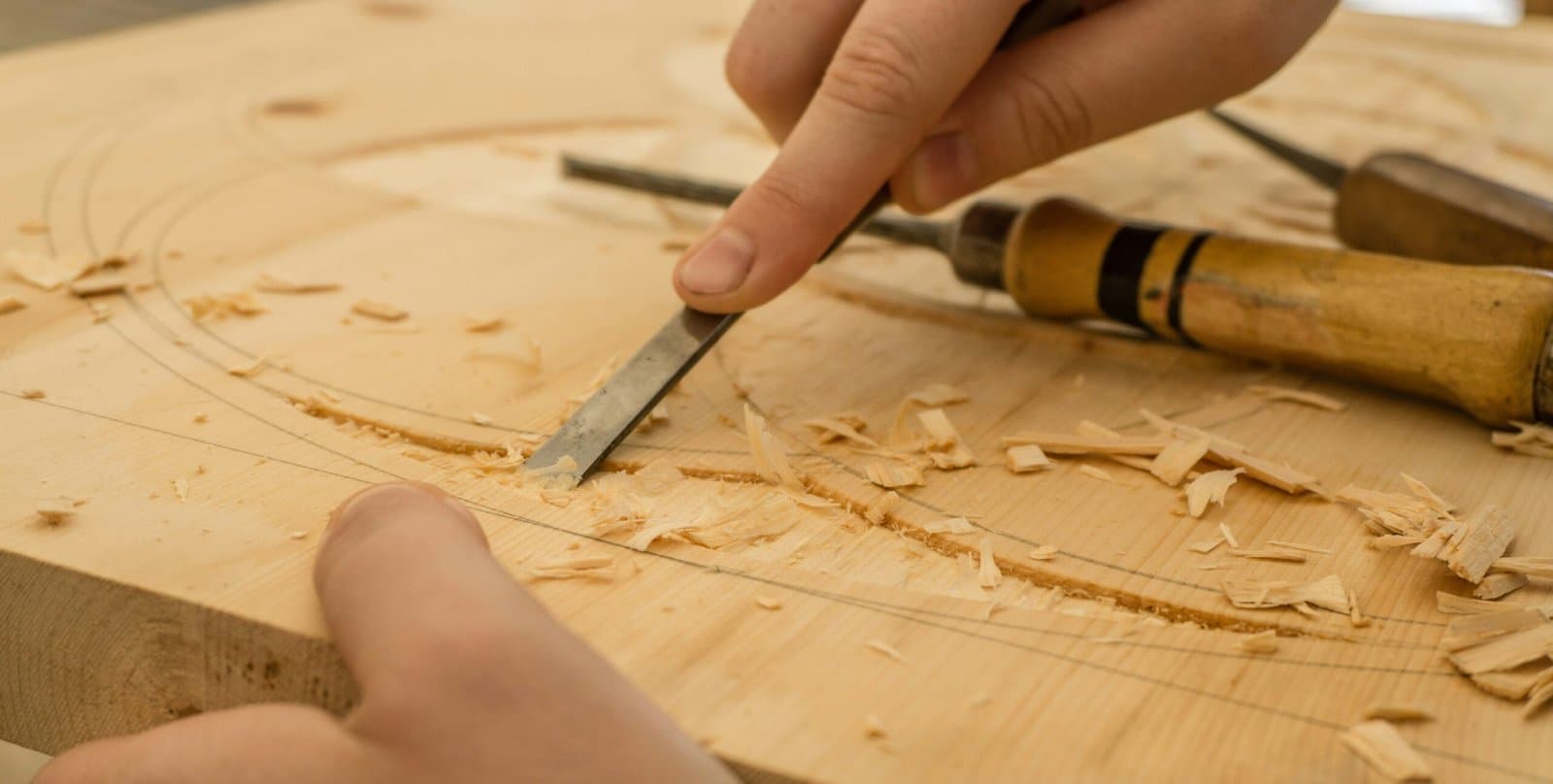
When planning a remodel or build-out, many homeowners and business owners are faced with an early decision: custom carpentry or stock solutions? While pre-made cabinets, shelving, and trim may seem convenient, they often fall short in performance, durability, and long-term value.
Custom carpentry offers something stock products never can, solutions designed specifically for your space, your needs, and your goals. Through thoughtful design-build integration and precision craftsmanship, custom work elevates both residential and commercial environments in ways that extend far beyond appearance.
This guide explains why custom carpentry consistently delivers greater impact than stock alternatives, and when investing in craftsmanship makes the most sense.
Understanding the Difference: Custom vs. Stock
Stock solutions are mass-produced components made to fit standardized dimensions. While they may work in some situations, they often require compromises in layout, storage, and quality.
Custom carpentry, on the other hand, is built specifically for your space. Every measurement, joint, and finish is intentional, designed to maximize function, aesthetics, and longevity.
The difference becomes especially clear in real-world use.
1. Custom Carpentry Maximizes Every Inch of Space
Most homes and commercial buildings don’t fit standard dimensions, especially older structures or uniquely shaped spaces. Stock cabinetry and shelving often leave:
-
Unused gaps
-
Awkward fillers
-
Reduced storage capacity
-
Visual inconsistencies
Custom carpentry eliminates wasted space. Built-ins, cabinets, and millwork are designed wall-to-wall and floor-to-ceiling, ensuring every inch is functional.
This is especially valuable for:
-
Kitchens and bathrooms
-
Basements
-
Offices and retail spaces
-
Entryways and mudrooms
-
Older homes and historic buildings
2. Design-Build Integration Creates Better Results
One of the greatest advantages of custom carpentry is its integration into the overall design-build process. When carpenters work closely with designers and builders from the beginning, the results are more cohesive and intentional.
Design-build integration ensures:
-
Carpentry complements layout and structure
-
Materials align with overall design goals
-
Functionality is planned, not improvised
-
Fewer compromises during installation
Instead of forcing stock pieces into a finished space, custom carpentry is part of the space’s DNA from the start.
3. Precision Craftsmanship Improves Durability
Stock solutions are built for speed and scale, not longevity. Thin materials, lower-grade hardware, and limited reinforcement often lead to early wear.
Custom carpentry prioritizes:
-
High-quality materials
-
Strong joinery
-
Proper load support
-
Durable finishes
-
Long-term performance
Precision craftsmanship means cabinets that don’t sag, shelves that don’t bow, and trim that maintains its integrity for decades, not just a few years.
4. Custom Solutions Adapt to Real Life
No two households or businesses function the same way. Stock options assume a generic user, while custom carpentry adapts to actual daily habits.
Custom work allows you to design around:
-
How you cook, work, or serve customers
-
Specific storage needs
-
Equipment sizes
-
Accessibility considerations
-
Workflow and traffic patterns
In commercial environments, this can mean better employee efficiency and improved customer experience. In residential spaces, it means comfort, convenience, and ease of use.
5. Elevated Aesthetics Without Forced Uniformity
Stock components often create a “cookie-cutter” appearance. Even when finishes vary, proportions and details remain identical.
Custom carpentry allows for:
-
Balanced proportions
-
Architectural consistency
-
Seamless transitions
-
Unique detailing
-
A refined, cohesive look
Whether modern, traditional, or transitional, custom work enhances the character of a space instead of competing with it.
6. Better Fit for Unique or Older Structures
Many buildings were constructed long before modern manufacturing standards. Irregular walls, uneven floors, and non-standard framing are common.
Stock solutions often require:
-
Excessive shimming
-
Fill panels
-
Visible gaps
-
Reduced functionality
Custom carpentry is built to accommodate these conditions, resulting in cleaner installation and superior performance, especially in older homes and commercial spaces.
7. Long-Term Value Outweighs Short-Term Savings
Stock solutions may appear less expensive upfront, but long-term costs tell a different story. Premature wear, replacements, and repairs add up quickly.
Custom carpentry:
-
Lasts longer
-
Requires fewer repairs
-
Ages better
-
Enhances resale value
-
Supports long-term use
Rather than replacing stock components every few years, custom work becomes a lasting investment.
8. Custom Carpentry Supports Brand Identity in Commercial Spaces
In retail, office, and hospitality environments, carpentry plays a key role in brand expression. Custom fixtures, shelving, and millwork reinforce professionalism and credibility.
Benefits include:
-
Branded design elements
-
Unique customer experiences
-
Purpose-built displays
-
Functional workspaces
Stock solutions rarely align with brand identity. Custom carpentry ensures your space reflects who you are and how you operate.
9. Flexibility for Future Changes
Custom carpentry can be designed with adaptability in mind. Modular sections, reinforced structures, and thoughtful layouts allow spaces to evolve without major reconstruction.
This flexibility is especially valuable for:
-
Growing businesses
-
Expanding families
-
Changing technology needs
-
Long-term property planning
When Stock Solutions May Be Enough
Stock options aren’t inherently wrong. In simple, temporary, or budget-driven situations, they can serve a purpose.
However, when:
-
Space efficiency matters
-
Durability is important
-
Design quality is a priority
-
Function must match real-world use
Custom carpentry consistently delivers superior results.
Why Experience Matters
Custom carpentry is only as good as the team executing it. Precision craftsmanship requires skill, planning, and experience, especially when integrated into a design-build process.
Working with experienced professionals ensures:
-
Accurate measurements
-
Thoughtful detailing
-
Clean installation
-
Long-term performance
Ready to Invest in Craftsmanship That Lasts?
If you’re planning a remodel or build-out and want solutions designed specifically for your space, custom carpentry can transform the way your environment functions and feels.
Schedule a consultation today to explore custom carpentry solutions tailored to your home or business.
Recent Posts

ADA Remodeling for Businesses: Updates That Improve Accessibility
FEBRUARY 27, 2026
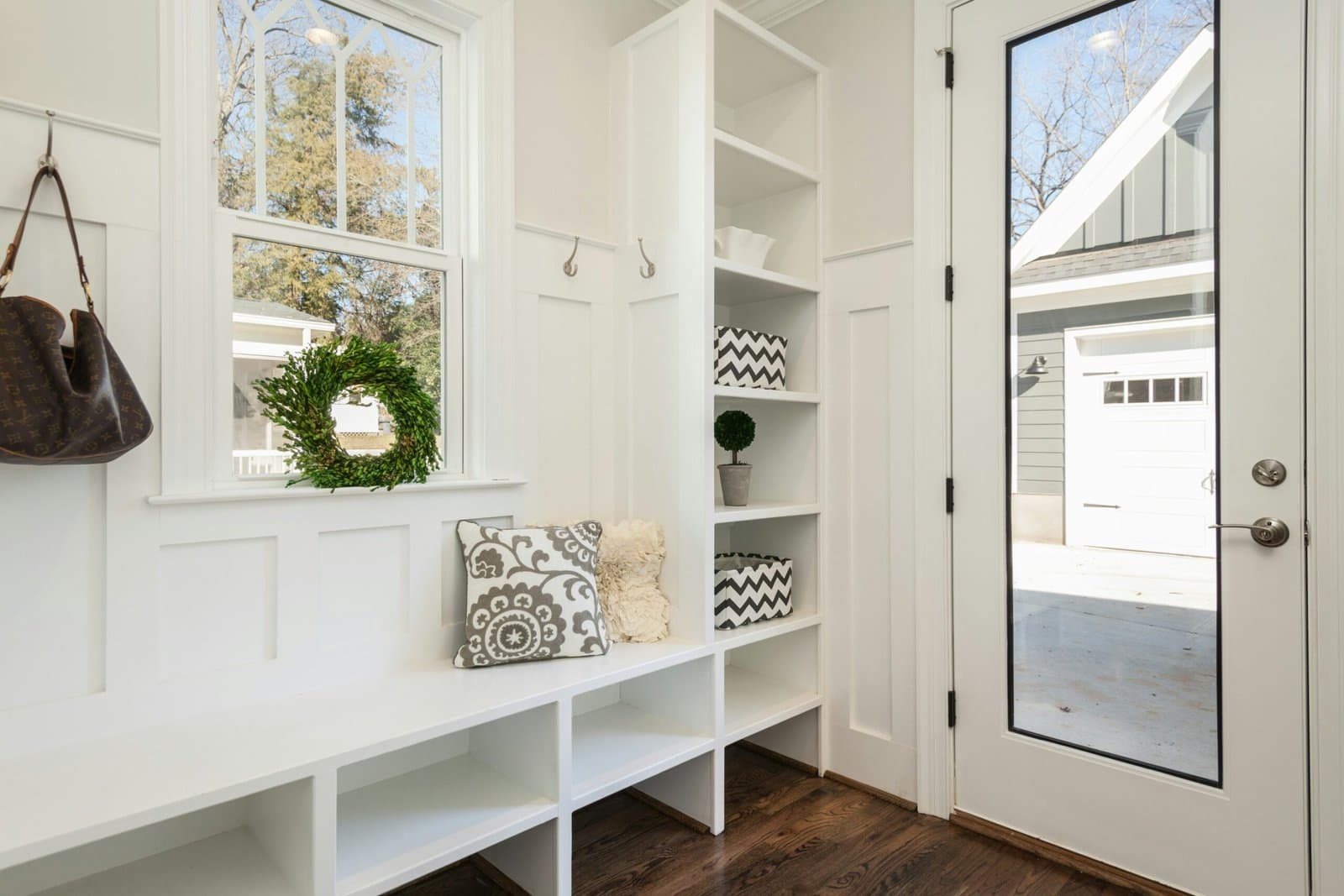
Built-In Shelving Ideas That Add Storage & Charm to Your Home
FEBRUARY 22, 2026
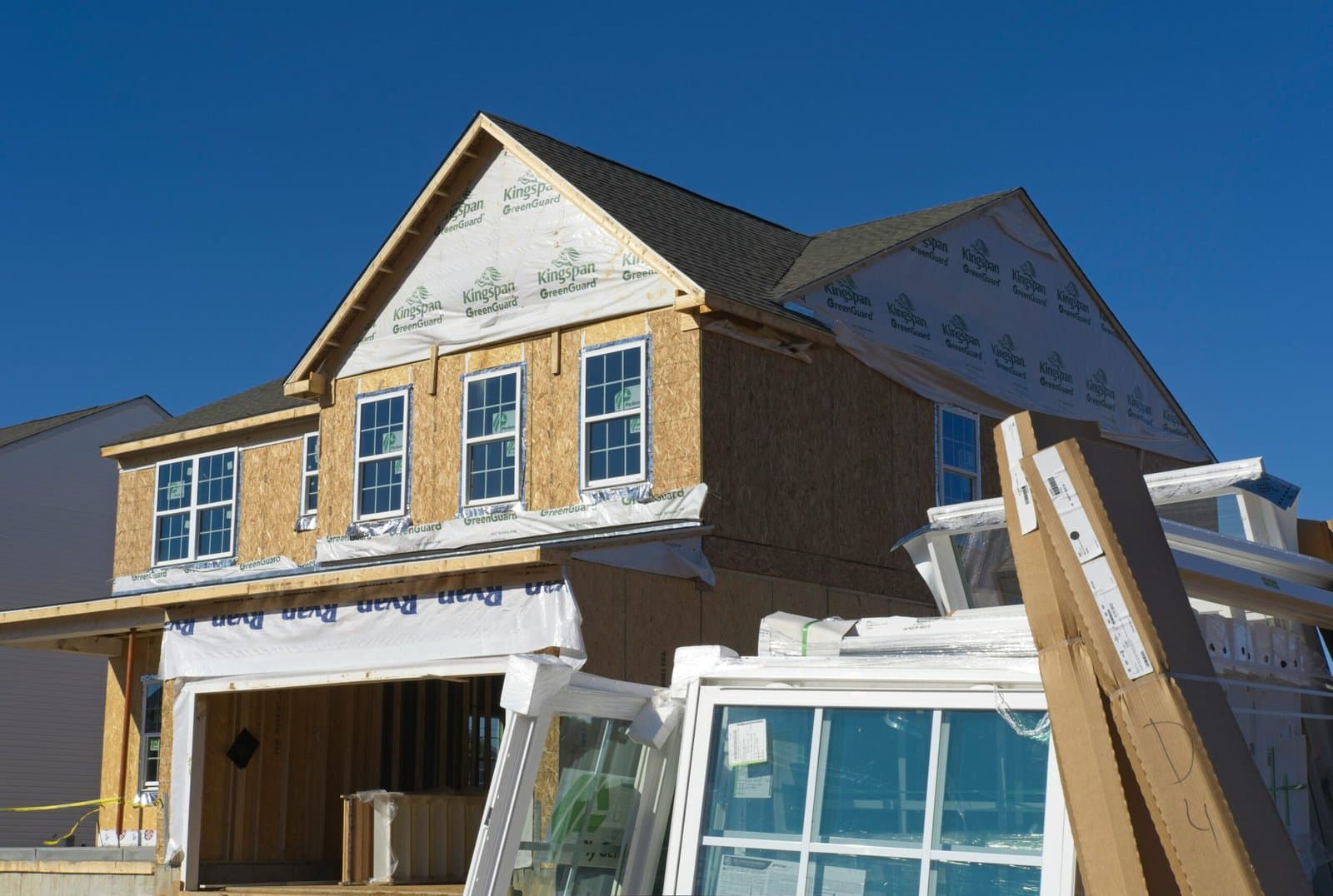
Quality Craftsmanship Matters More Than Speed in Remodeling
JANUARY 29, 2026

Design-Build Remodeling vs. Traditional Contracting
JANUARY 29, 2026
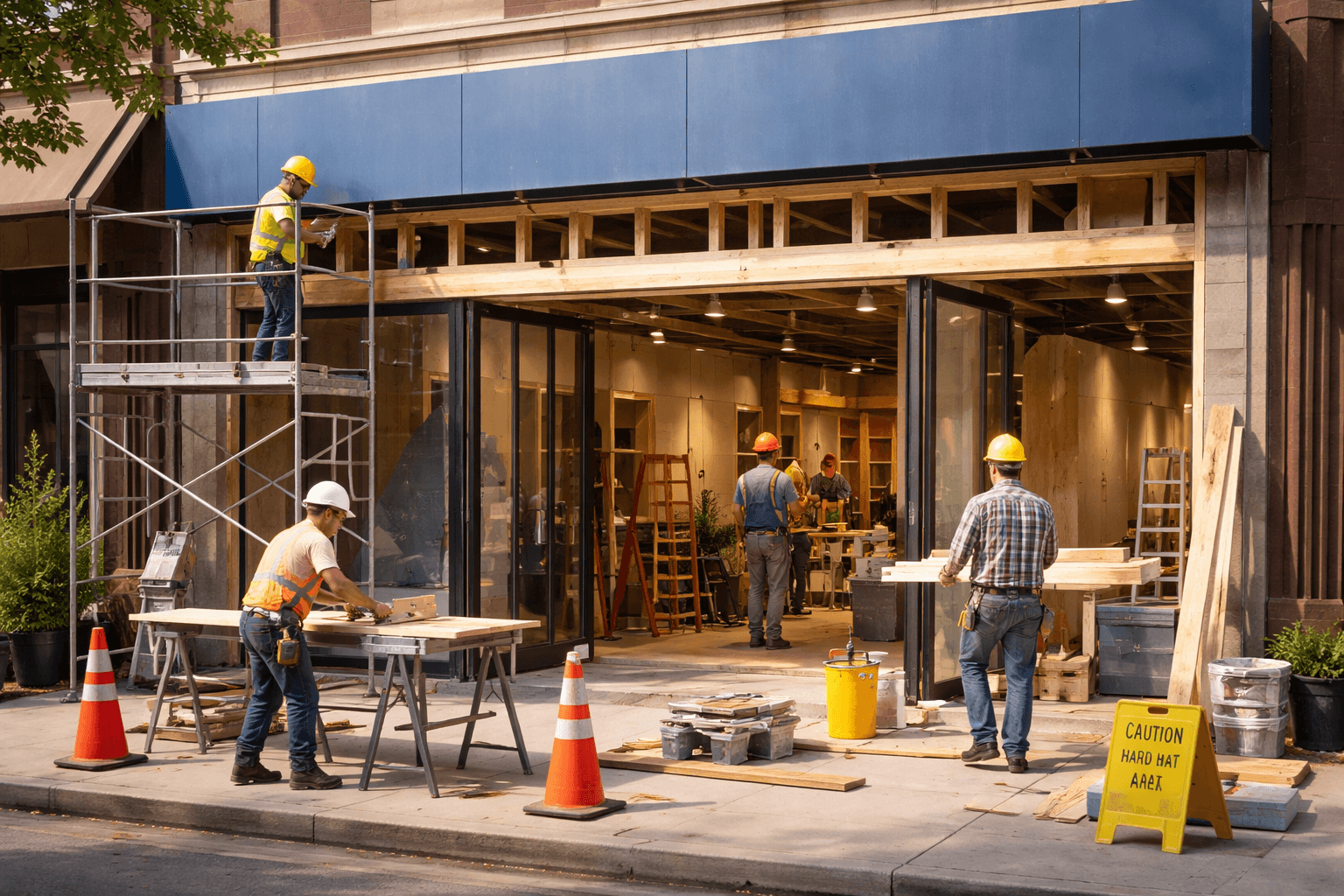
Retail Space Remodeling in St. Louis: Layouts That Drive Sales
DECEMBER 30, 2025
Newsletter
Don't miss a thing!
Sign up to receive daily news